
A question? Visit our contact page

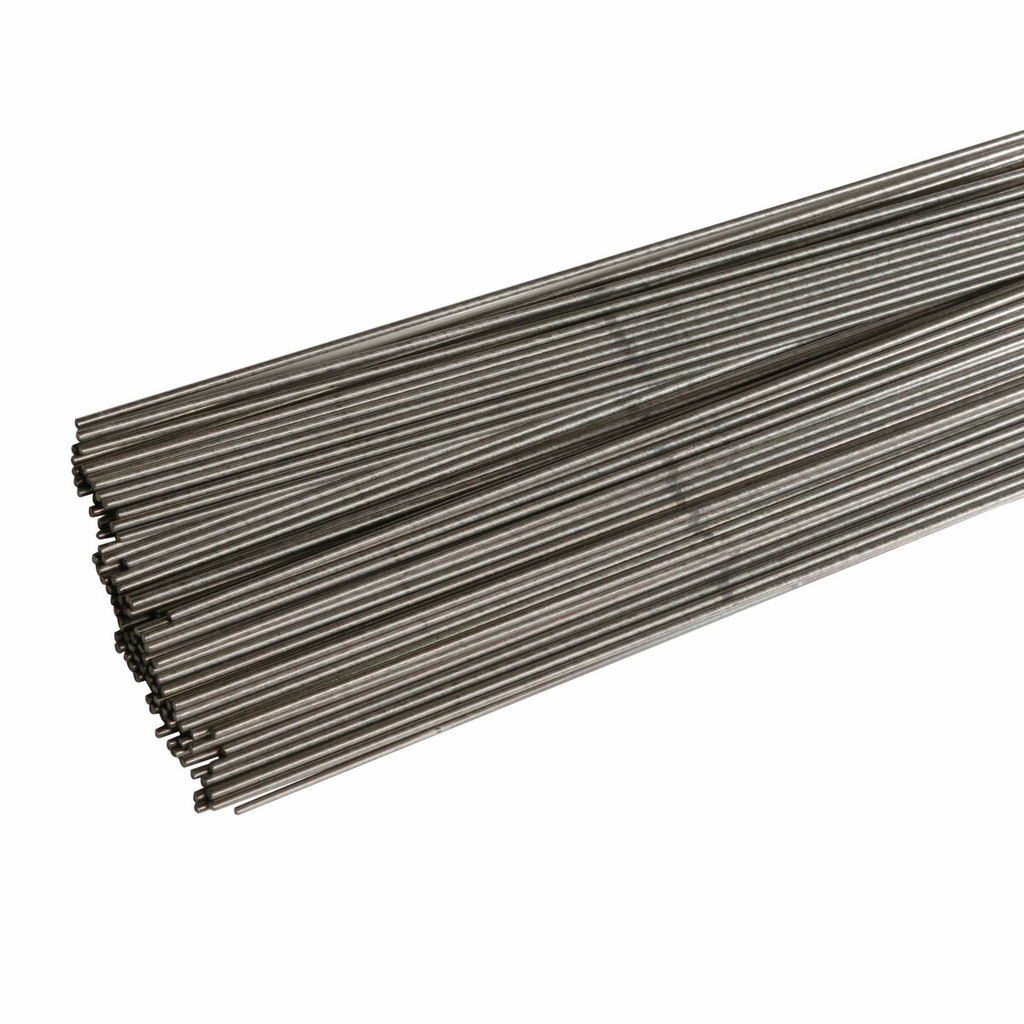
BLOCKADE® phos-copper brazing filler metal has an innovative composition that provides the ability to form a large shoulder or cap at the braze connection. It is a low melting temperature alloy that is very fluid and fast flowing. Best for tight fitting connections under two inches in diameter. Ideal for copper-to-brass applications such as solenoid valves, ball valves, Schrader valves and distributors. BLOCKADE® is self-fluxing on copper. Its lower melting temperature makes it an excellent choice for brass. Complies with the EU Reach & RoHS directive.

Features

  • Complies with the EU Reach & RoHS directive
  • Does not contain silver, so significant cost reductions are available
  • It has a narrow melting range, but its flow characteristics allow operators to “cap” or "build-up" around the finished joint
  • Phosphorus content will form low ductility intermetallic with base metal
  • Phosphorus containing brazing alloys should not be used if the braze is exposed to sulfur or sulfur compounds in service
  • A low cost alternative to silver bearing filler metals
  • Often selected to replace silver brazing filler metals for these applications
  • Not recommended for brazing steel or other ferrous alloys
  • Low melting point reduces the likelihood of overheating the brass
  • For brazing copper or brass, as the lower brazing temperature makes it an excellent replacement for many silver-bearing BCuP alloys
  • Weight: 1.02 lbs
  • Material Composition: Phosphorus 6.0-7.0%, Tin 6.0-7.0%, Silicon 0.01-0.40%, Copper remainder
  • Solidus Temperature: 1178 F (637 C)
  • Liquidus Temperature: 1247 F (674 C)
  • Brazing Range: 1200 F - 1280 F (649 C - 693 C)
  • Density: 0.293 lbs/cu.in.
  • Compliance: EU Reach, RoHS, AWS A5.8 BCuP-9, ASME SFA 5.8 BCuP-9, ISO 17672 CuP 385
  • Brazing Application: Copper to brass, brass brazing
  • Flux Requirement: Self-fluxing on copper; Stay-Silv white flux recommended for brass or copper to brass
  • Recommended Use Diameter: Connections under 2 in diameter
  • Limitations: Not for steel or ferrous alloys; avoid sulfur compounds
  • Physical Form: Standard wire diameters in coils, rods & preform rings

Downloads

    Spec Sheet